Patang, a storytelling app · Product designer · 2026
Case Study · SVSD Design Competition
Patang, a storytelling app for sharing a trip.
Urdu for kite. It ties one trip on one String, in your words, for the person it’s for. I designed it from picking the moments to sending it on WhatsApp.
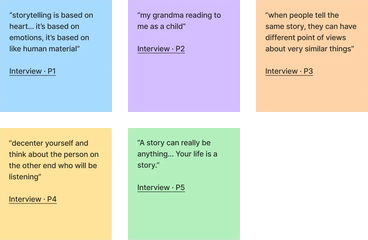
- 5Interviews
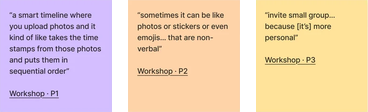
- 3Workshop participants
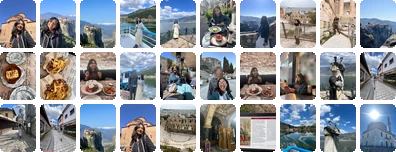
- 31Photos from one trip
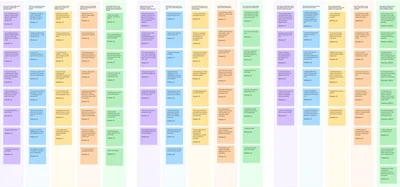
- 15Themes from 111 notes
Overview
SVSD asked for a storytelling product one group would love. Patang starts from the trip on your phone.
Tools
- Figma
- Expo
- Next.js
- Role
- Product designer
- Team
- 1 UX Researcher, 1 Creative Director, 1 Product Designer (Me)
- Timeline
- 72 Hours
- Host

The brief
“Pick a specific group of people and design a product they’ll love, even if others might hate it.”
- Constraint
- Storytelling
- Judged on
- Product thinking, Depth of thinking and communication, Craft
- Entry
- A video, 7 minutes max
- Teams
- 2–3 college students, US or Canada
- Format
- National, virtual
- Sponsors
- Clay, DoorDash
Problem
Same trip, different story
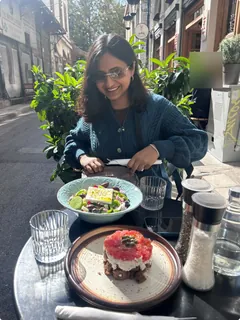
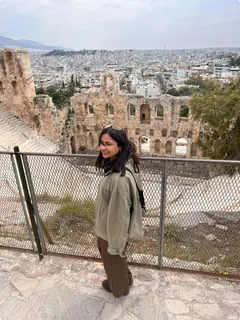
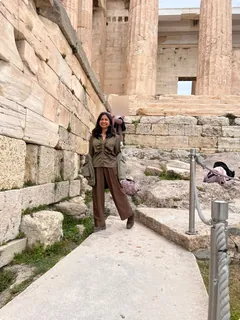
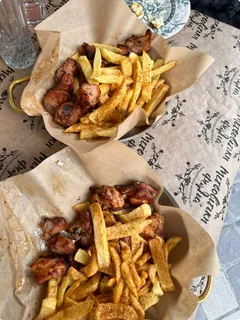
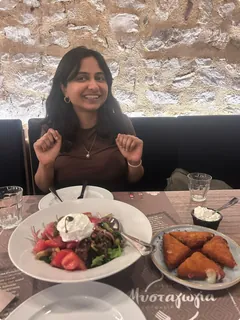
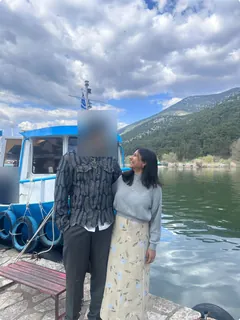
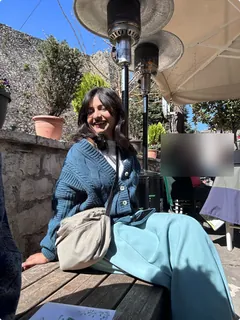
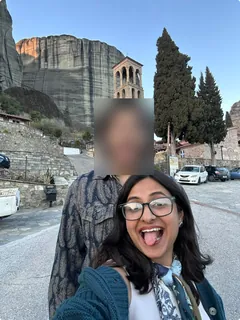
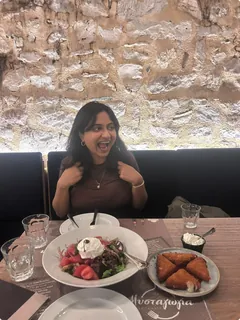
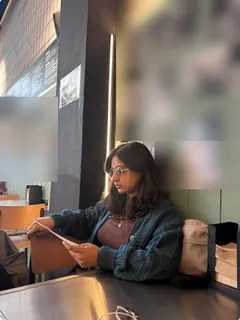
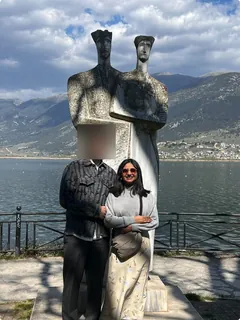
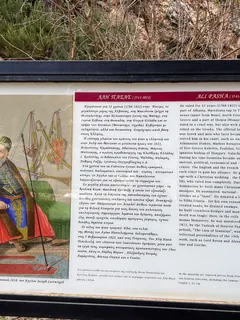
One participant, one Greece trip, three audiences.
Her parents’ and friends’ sets share none.
2 of 31photos appear in more than one set
 Also in her coworkers’ set

 Also in her coworkers’ set








 Also in her parents’ set
 Also in her parents’ set





How might we help people tell their stories to the people they’re for, without telling the stories for them?
Findings
The listener decides
Told to someone
Only bedtime stories and gossip were a story to all five interviewees.
P4“decenter yourself and think about the person on the other end who will be listening”
They doubt their own
In all five interviews.
P5“I personally do not think I have any stories to tell”
Help, but keep the telling
Each workshop tool collected, ordered, reminded or prompted. People chose the meaning.
P1“storytelling doesn’t have a motive, a product has a motive”
01Interviews and card sortFive interviews, 15 to 16 October, 26 to 33 minutes each.
Each person sorted 12 everyday items into yes, no or it depends.
Résumés and group chats were a clear story to no one. The other eight split, often for opposite reasons.
02Co-design workshopThree members of our research lab, about 35 minutes. Each wrote first, then we talked.
Every story they starred had a named listener: roommates, parents, close friends.
All three tools they designed were for a small group they already know. None was public.
The fourth activity, on what the app must never do, wasn’t recorded.
“I definitely was not wanting this to be taking away from, like, sharing those moments”
03Photo studySent over WhatsApp on 17 October.
She sent three sets within 15 minutes: 10 photos for her parents, 11 for her friends, 10 for her coworkers.
She is in 8 of 10 photos for her parents, and clearly in only 1 of 10 for her coworkers.
We didn’t ask her why she chose each photo.
04Affinity mapWe put quotes and observations from every session on a FigJam board and clustered them bottom-up, into 15 themes.
05Two more findingsFindings 3 and 4 in the report.
The stories that matter most are the hardest to tell.
Each interviewee named a specific barrier: pressure, time, judgment, or a result that didn’t match the feeling.
“I really wanted it to look pretty, but I couldn’t make it look pretty”
Trust decides who hears a story.
The stories that matter most are shared only with chosen people.
“you constantly look for safe spaces to do it in”
Most of this theme comes from one person, so we treat it as directional.
06LimitsFive interviews, three workshop participants and one photo study give direction, not proof.
We heard only from people telling stories, not from the parents and friends receiving them.
The prototype hasn’t been tested with users yet.
Process
All on one board
Solution
From camera roll to Ammi

Find the moments
- 01
A story waiting
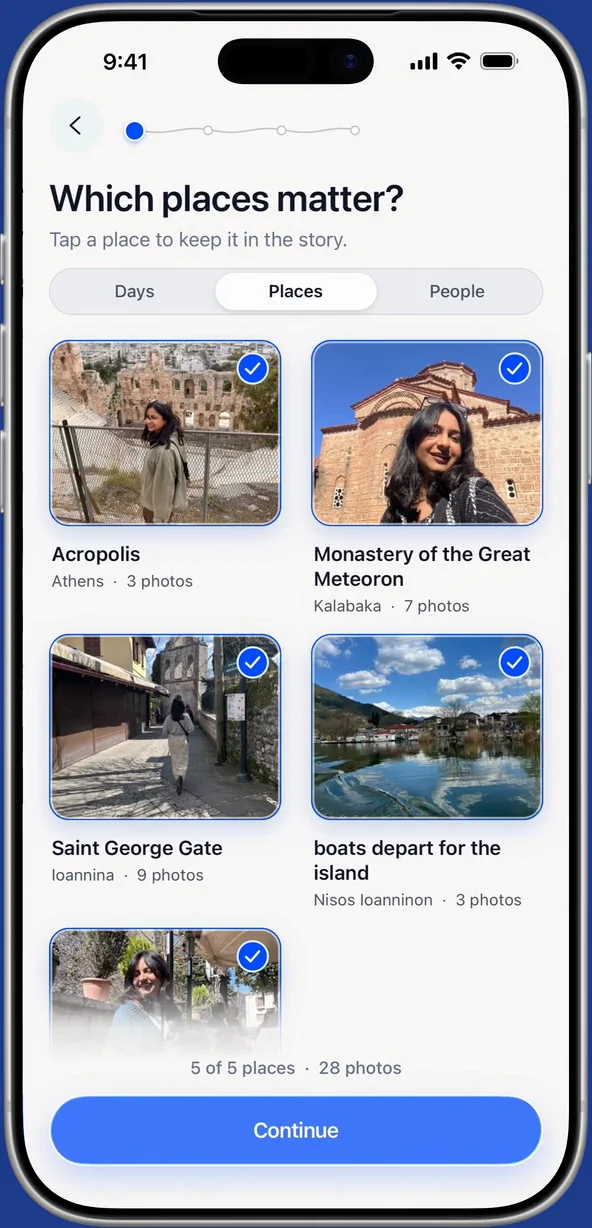 02
Finds the trip
- 03
Skim Patang’s picks
Say it once
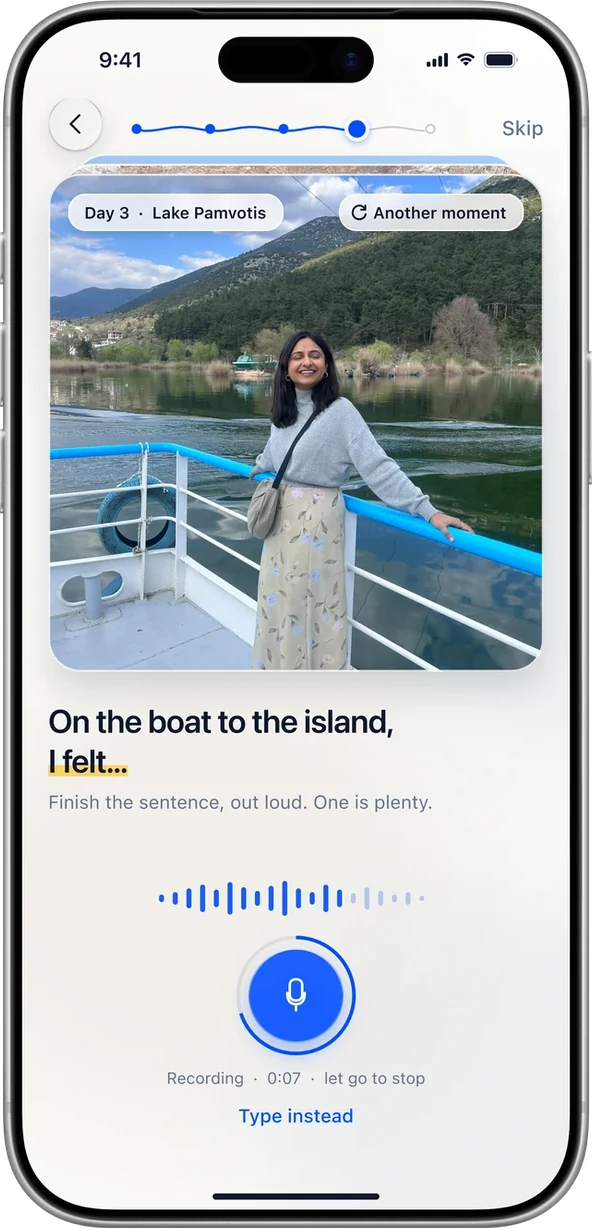 04
One photo, one sentence
Tie the String
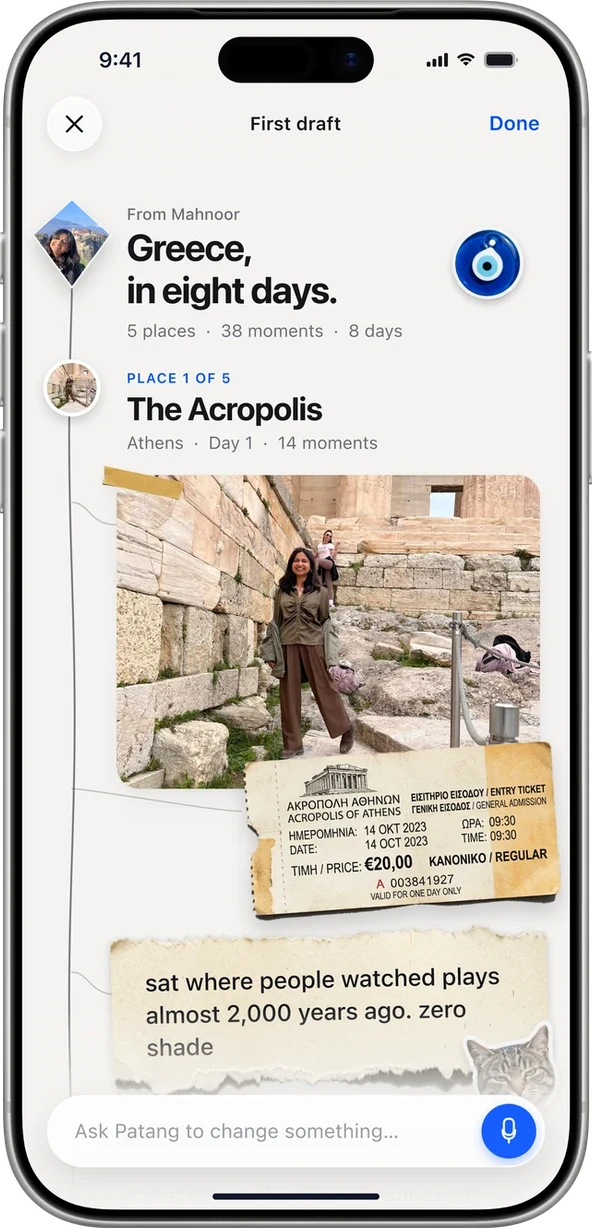 05
The String
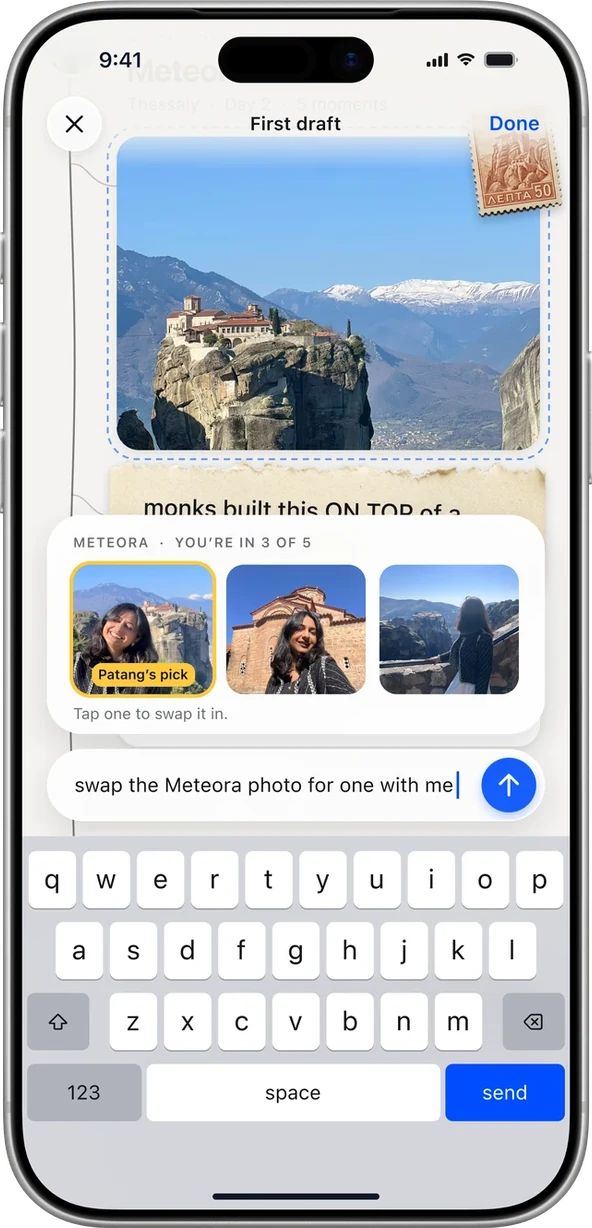 06
Change one thing
Made for one person
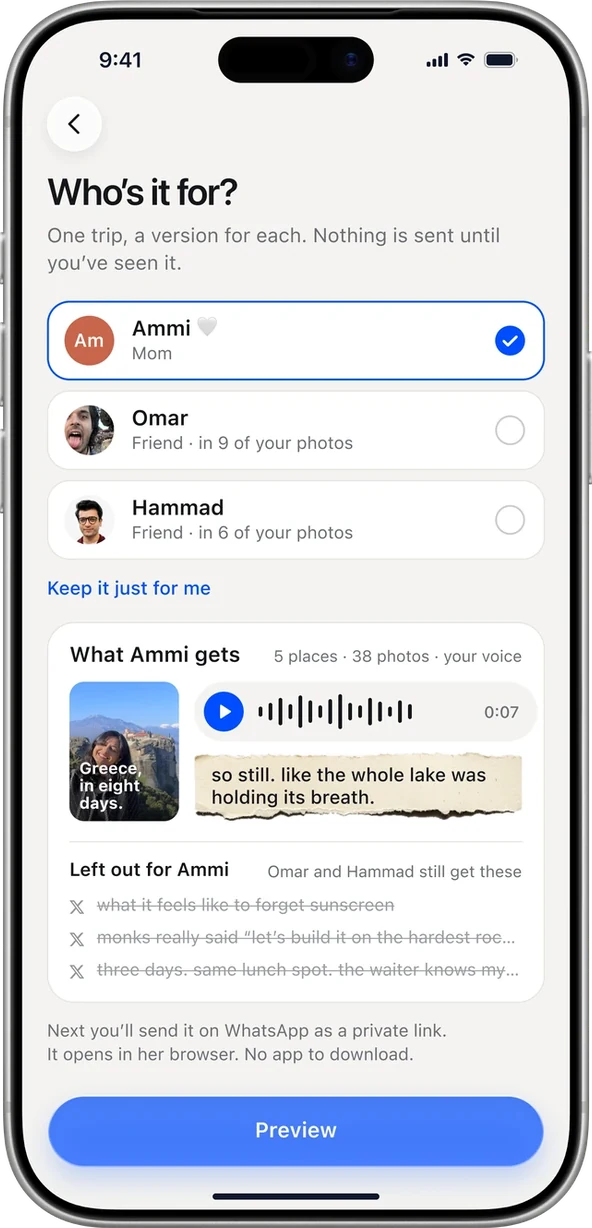 07
Who’s it for?
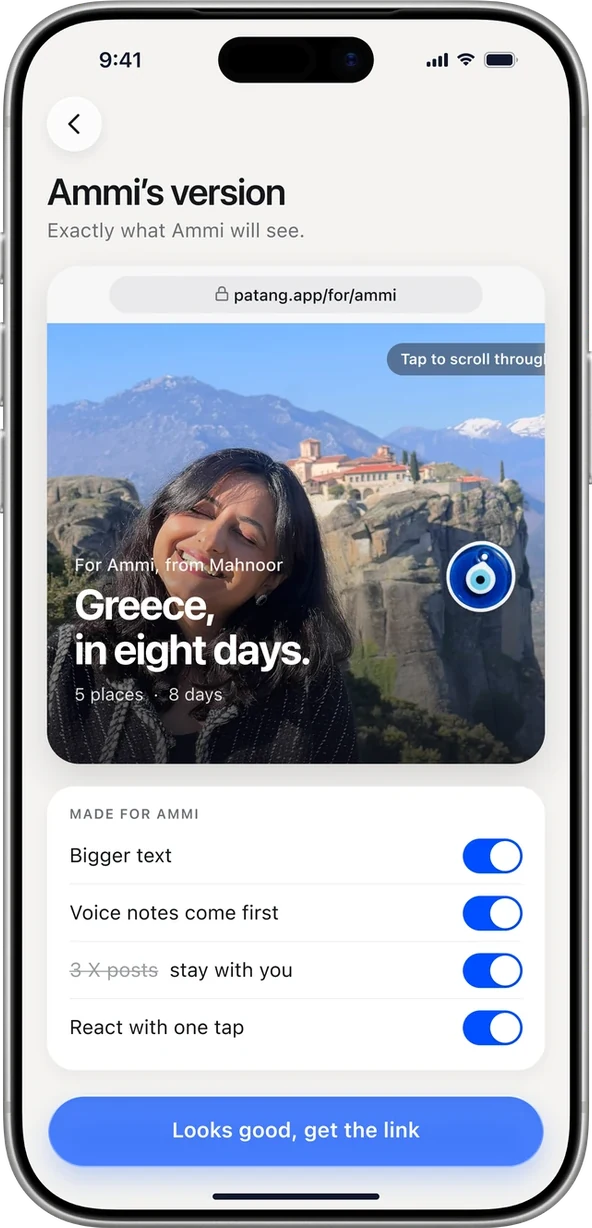 08
Ammi’s version
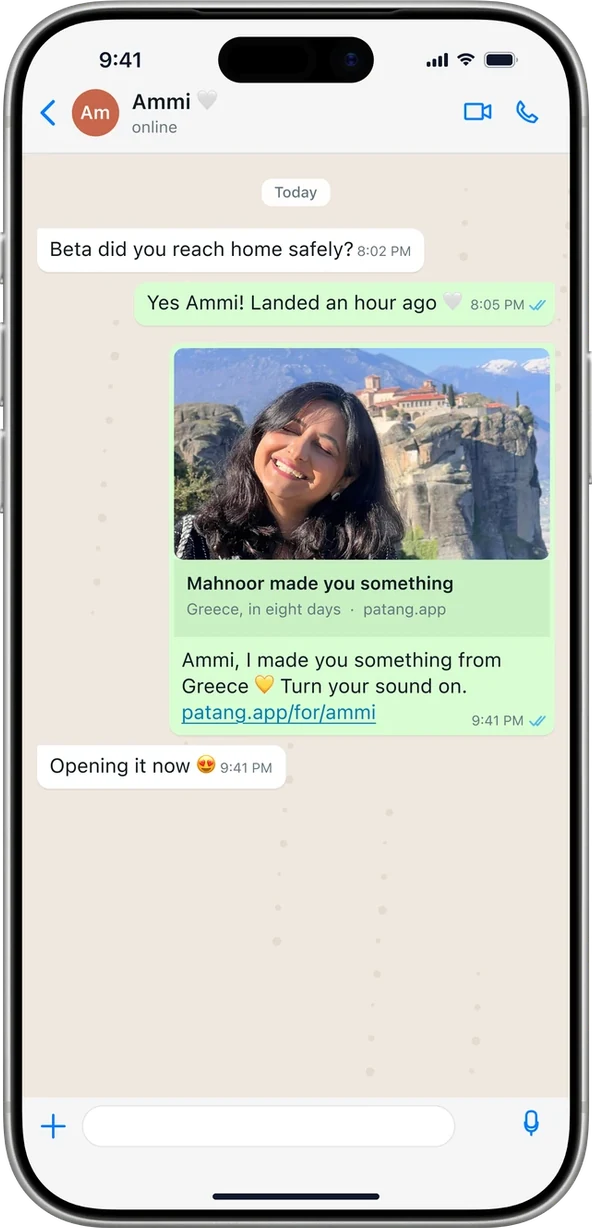 09
Sent on WhatsApp
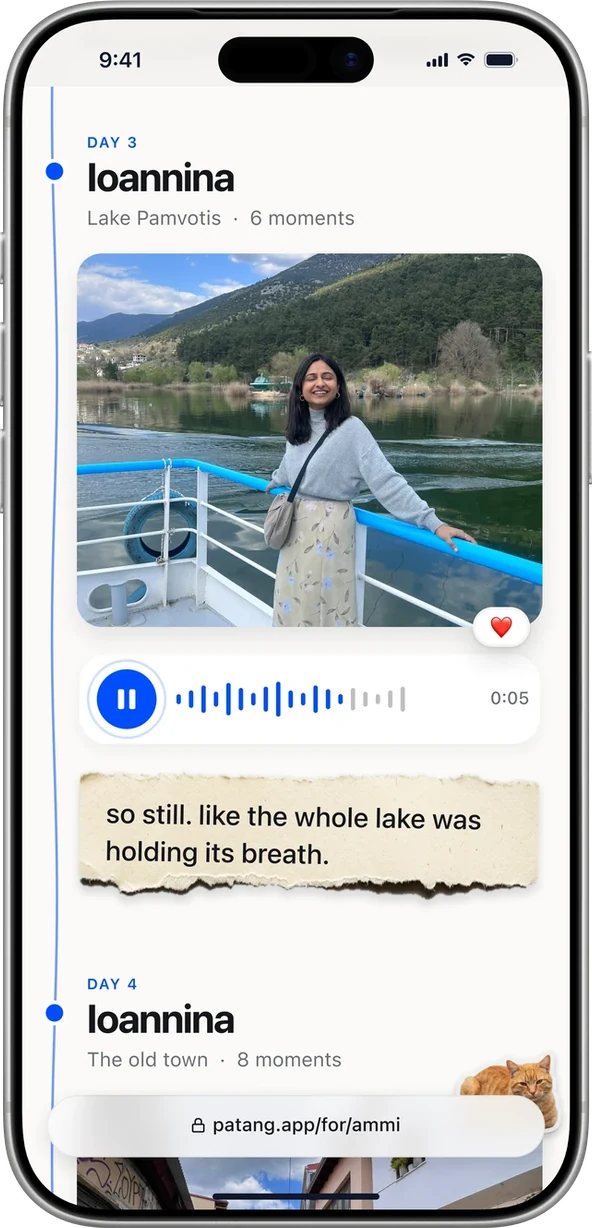
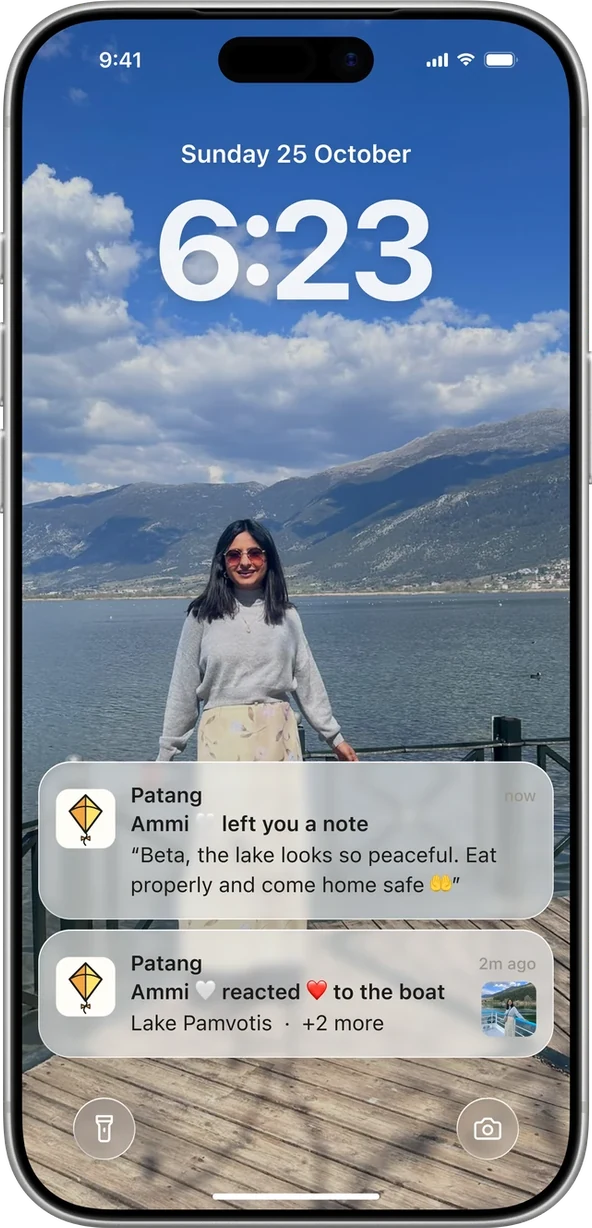
She reacts on a moment
Edge cases
When the roll isn’t perfect
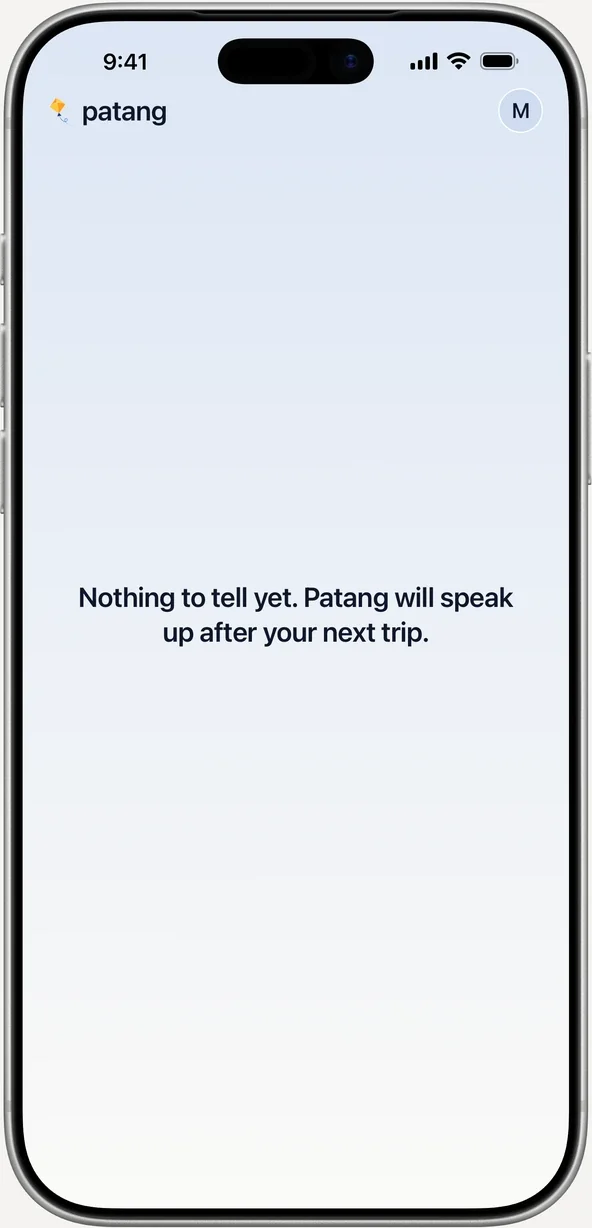 No trip yet
It stays quiet.
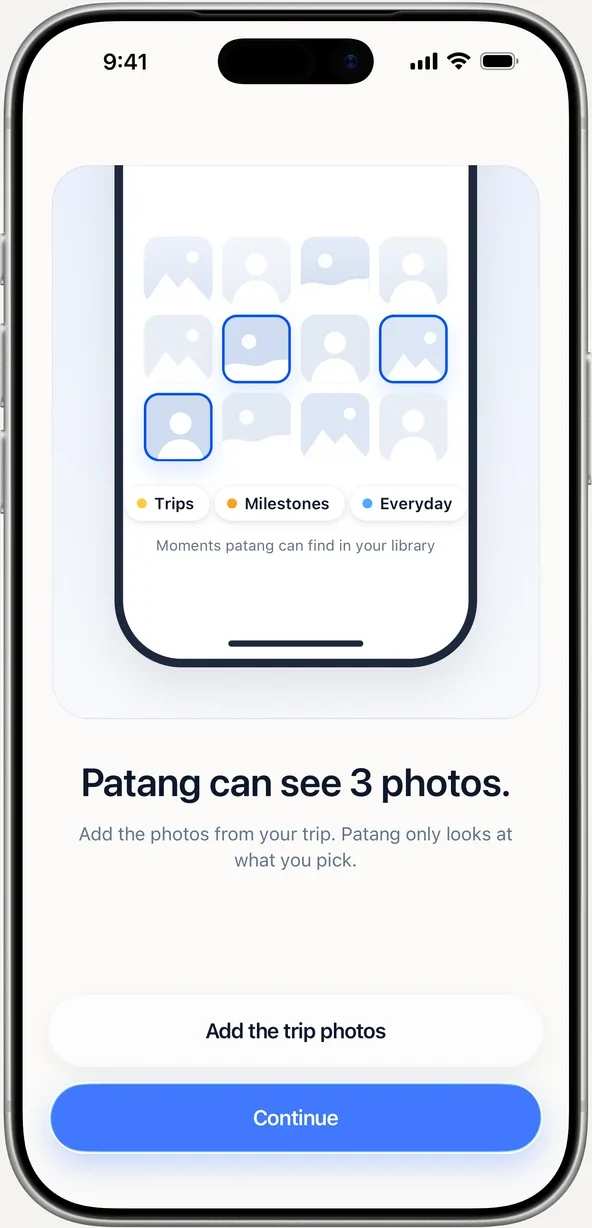 Only 3 photos shared
It looks only at what you pick.
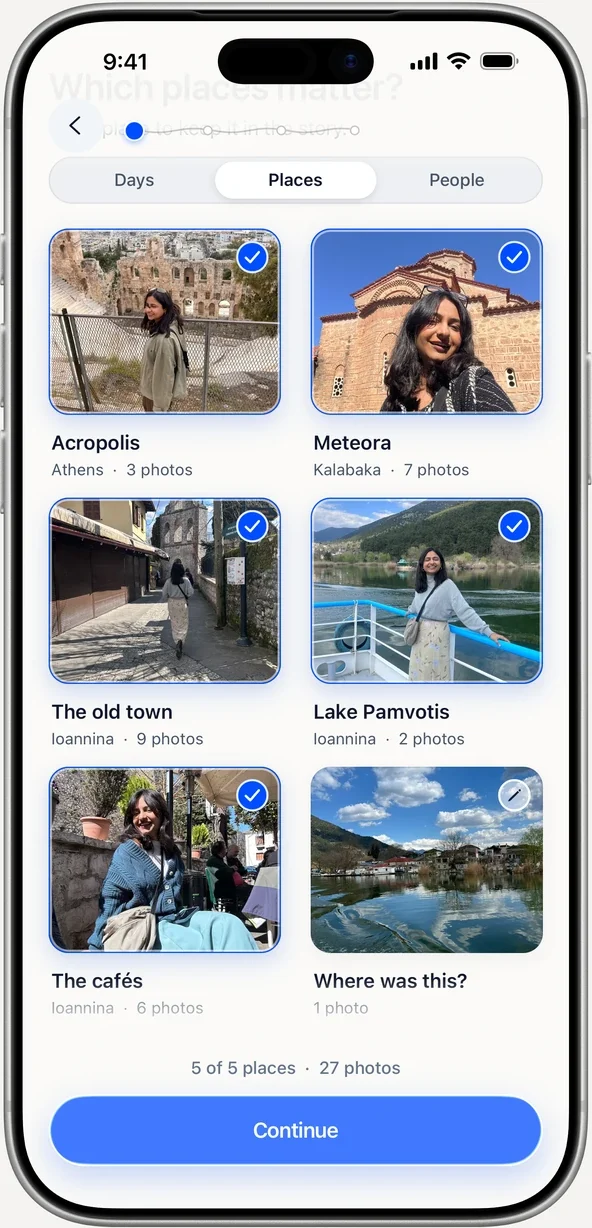 No place on a photo
It asks where it was.
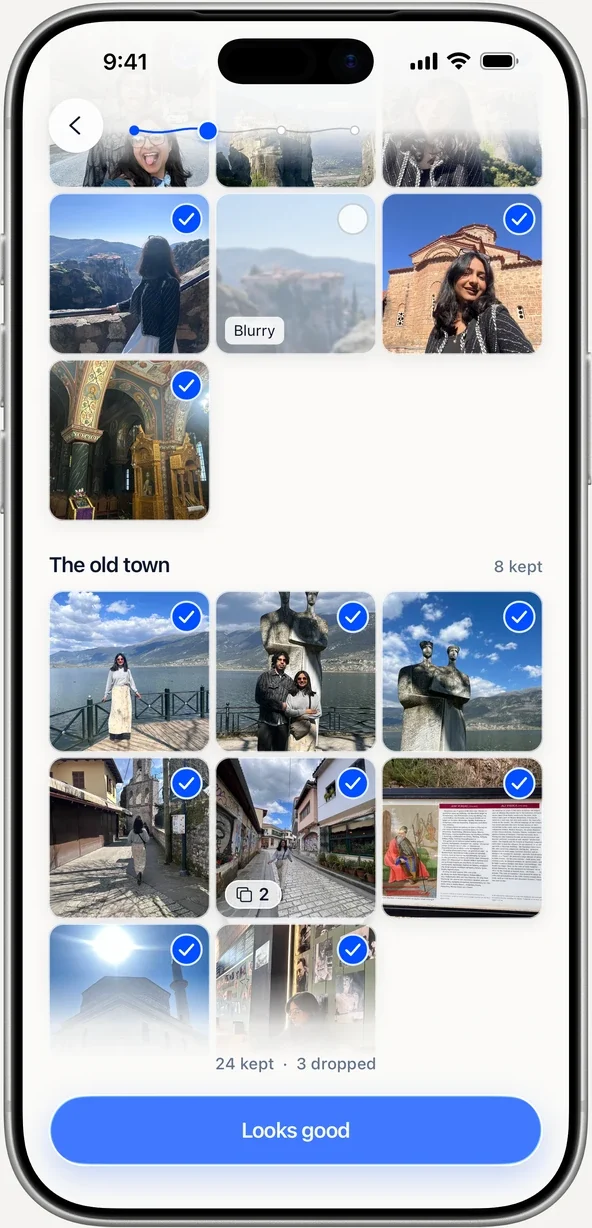 Blurry or twice
It sets them aside, and shows why.
Try it
Fly it yourself
You play a participant. Her photos are real, shared with consent.

Next steps
What we’d test next
- 01
Test with at least five people, on their own photos.
- 02
Ask what it must never do, and how much it should write.
- 03
Talk to people on the receiving end, like parents of students abroad.
The film
Our competition entry
Credits
Thanks to every participant.


Want the 20-minute walkthrough of our research? Email me.